
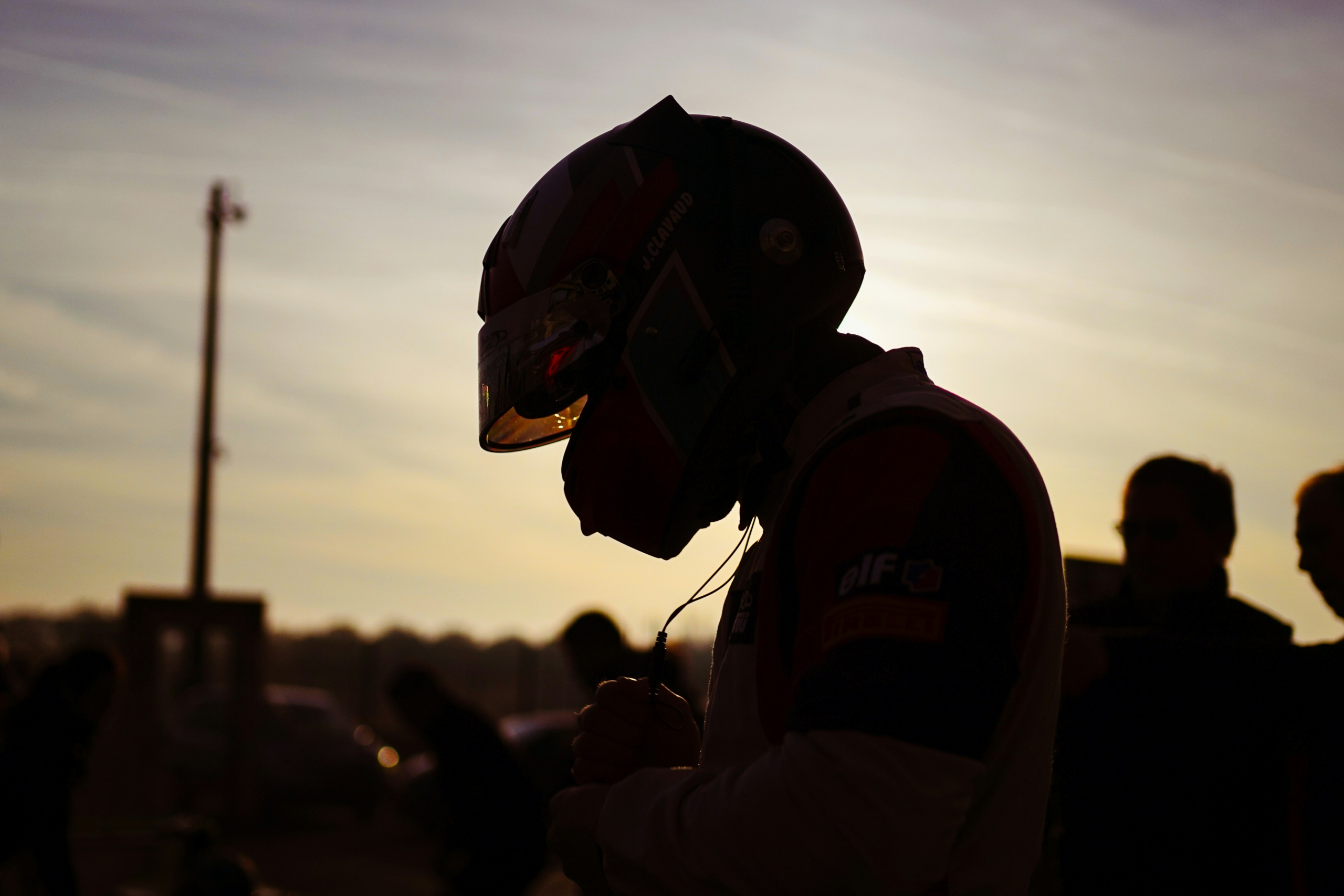
In those sacred moments before the red lights go out, adrenaline flows through a Formula One driver, fuelling their ambitions as E10 fuels the car beneath them. The mental focus it must take to quiet the buzz of media on the grid, ignore engineers making final adjustments to their high-performance challengers, and block out the fans screaming their names from the grandstands. The restraint, the discipline, the breath work – shutting out the noise and focusing solely on the job ahead.
We can only visualise how the drivers of a Formula One car must feel in those moments. Sure, you can sometimes read about it in rare interviews where they lift the lid on the mental training that goes into driving a car. Or, sometimes their trainers will divulge those delicious details that bring us a micrometre closer to knowing the human underneath the visor.
There are 24 races in a Formula One season. That is 24 opportunities to score points for your team, fight for a coveted podium finish, and bank vital data for future car development. While that may sound like a long time, the opportunities to secure every possible point are surprisingly limited. With 22 drivers on the track this year, 12 will leave each circuit with nothing. And that is if they even finish a race. Anything can happen once the green flag waves and the showdown begins. We have seen in recent years how incidents influence the trajectory of a race before the drivers even turn into the first corner.
Cast your mind back to the now infamous Silverstone incident between Zhou Guanyu, George Russell and Alex Albon in 2022, where Albon hit the pit straight wall, and Zhou ended up in the barrier, upside down. An incident I actually witnessed. Whether it is a race-ending crash, technical failure, or team-ordered retirement, numerous avenues can result in an undesirable DNF (Did Not Finish).
So when a driver steps out of the car having not completed the full race distance, it is no surprise to see them looking dejected, visors down, feeling defeated. Endless hours of training and travel, only to watch the race from the sidelines as a spectator rather than a participant. Even without addressing it directly, we have heard about the emotional impacts of a DNF – frustrated, emotionally exhausted voices that resonate through perfect PR answers in the paddock media pen.
The 2026 Melbourne Grand Prix at Albert Park saw three unsurprising DNFs and two DNSs (Did Not Start). What was interesting, however, was how some of the drivers responded to media questions after their incidents. Micro-expressions and tonal inflections often reveal more than carefully rehearsed PR answers, from brief flashes of emotion that psychologists describe as involuntary signals of internal stress or frustration.

Returning to the paddock after a year out of action, Cadillac driver Valtteri Bottas retired on team orders during lap 18 due to a technical failure. Despite the disappointing finish, the Finnish gladly spoke with Sky Sports and shared he is still “proud of the whole team“, and there were still “lots of positives we can take from this weekend”. A perfect PR answer, of course, but his smiling and blase composure signalled his mental resilience in the face of a DNF. In elite sport, this kind of composure is often the result of years spent developing emotional regulation. Bottas has mastered the ability to manage frustration and disappointment in high-pressure environments and still perform positively on camera. Experienced drivers like Bottas will rarely see a DNF as a personal failure, but simply another variable in a long racing season.
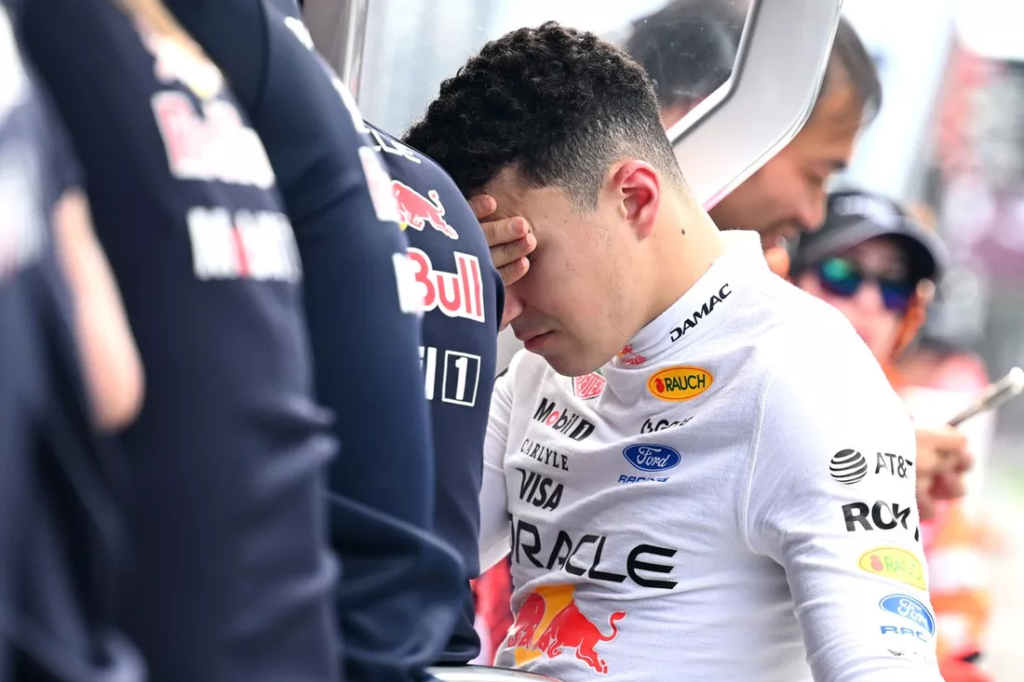
Contrast that with Isack Hadjar’s dejected response for an interesting insight into how each driver mentally deals with not completing a race. A more serious, less forgiving tone accompanied by remarks that it was “very frustrating” and “not fun“, Hadjar took his DNF less lightheartedly than Bottas. Now, context is important here. Firstly, this is Hadjar’s first race as part of the Red Bull Racing team, after his promotion from the junior sister team, Visa Cash App Racing Bulls. The senior, more seasoned and championship-winning team is notorious for its ruthless nature in cutting rookies if they cannot prove themselves as a worthy teammate for Max Verstappen, within the first few races of a season. Hadjar’s old teammate, Liam Lawson, felt this brutal pressure all too well after being sacked after just two Grand Prix. So understandably, Hadjar wants to prove that he is a valuable member of the team and dodge the Red Bull rookie curse. Like a twitch that gives the game away, his sombre tone reveals the pressure to perform and retain his seat. That pressure not only affects performance on track. Sports psychologists often note that when expectations are high and job security is uncertain, athletes experience increased cognitive load. The mental strain of processing pressure, performance, and consequences all at once results in an emotional hangover.
Secondly, Hadjar started the race from third, meaning his chances of a podium were actually viable. He may have retired before the race had even reached half distance, but that glimmer of potential glory and all-important points would be intoxicating for anyone. And frustrating when pulled out of reach.
Finally, his retirement was the result of a technical failure, not driver error. It is the one area that a driver cannot control from the cockpit. So if your car lets you down, even if you are driving perfectly, you are still out. It is only natural that this would cause frustration for Hadjar, especially when his job security is already on thin ice. But letting that frustration leak out on camera later on? That is the intricate emotional hangover of a DNF.
For elite athletes conditioned to control every detail of their performance, mechanical failure can be particularly frustrating because it removes that sense of control entirely. It is one of the most psychologically difficult setbacks to process.
So how does a Formula One driver shake off a defeating DNF and pick themselves up for the next race? Generally speaking, they will immediately focus on post-race analysis, seeking to understand what went wrong and future improvements.
Many drivers develop what sports psychologists call ‘reset routines’ to cope with disappointing results. Deliberate mental processes that allow them to compartmentalise disappointment quickly and refocus on the next race weekend. Earlier this year, Charles Leclerc spoke directly with Technogym Village about the mental training that goes into being a Formula One driver. Crediting mental resiliance to “knowing yourself fully”, Leclerc highlighted that it takes years of training to handle the pressure. A few years ago, George Russell spoke openly with Formula One about seeking professional help after a difficult race, “… it was a very low point in my career. I thought I could just pick myself up from that moment… but we decided to speak with a professional. I came away from that conversation and that meeting feeling so much better about myself, and put those negatives to the side, lifted myself up, and I was ready to attack the rest of the day and the rest of the week.” Other drivers, including current World Champion Lando Norris, have been actively vocal about the importance of strengthening mental resilience both on and off the track.
Only last season, Norris endured a string of poor performances that threatened his championship bid. Appearing visibly dejected in interviews and confessing he felt like he had “never driven an F1 car“, the McLaren driver leaned on a psychologist to navigate the mental challenges. Over the next few races, he regained his focus, blocking out external criticism and negative influences to return to peak mental performance. It is easy to forget that beneath the media-trained exterior, every driver carries an inner critic capable of sabotaging race after race if left unchecked. Norris’ journey is a reminder that even elite athletes must consciously manage their mental hangovers – just as they do the physical ones.
In Formula One, a DNF is more than a statistic on a results sheet. It is the abrupt end to weeks of preparation, the collapse of a potential podium, and sometimes the quiet questioning of one’s own place on the grid. The chequered flag may fall for everyone else, but for the drivers who never see it, the emotional hangover can last long after the engines fall silent.
Beneath the helmets and polished media training, the disappointment of a DNF can be just as difficult to overcome as any mechanical failure. For the drivers who left Melbourne and subsequent races without seeing the chequered flag, the task now is simple: reset, refocus, and be ready to do it all again. The season is only just beginning. But so too have the hauntings of a DNF.